
LR, Microsoft to advance nuclear tech in maritime using AI
Lloyd’s Register (LR) has announced that it would use generative AI to
provide capabilities built using Microsoft Azure OpenAI Service, bridging the
gap between terrestrial and marine applications.
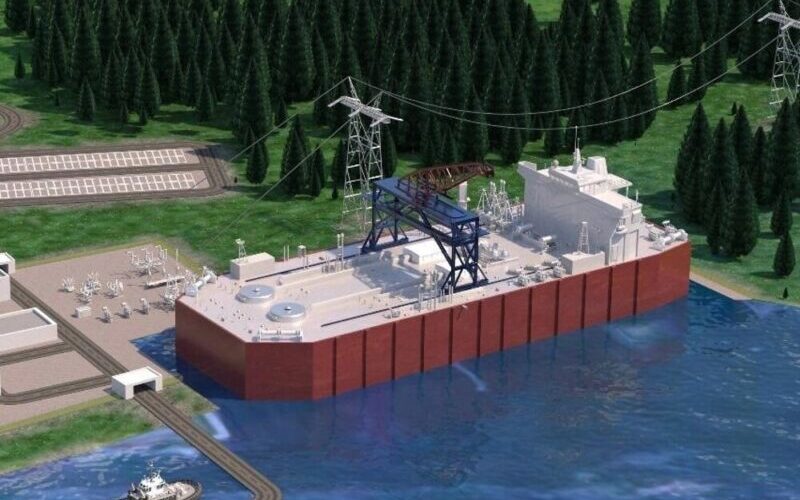
The capabilities are intended to improve the licensing process for nuclear
technology and will be utilised by LR to accelerate the implementation of
nuclear in maritime applications.
Azure’s generative AI capabilities operate by evaluating historical nuclear
licensing data, allowing licensing engineers to create new permitting papers
faster, ready for inspection and improvement. It can also easily locate laws,
precedents, and other useful information hidden inside vast regulatory
datasets.
The technology reportedly allows for a speedier and more
cost-effective regulatory process, which is critical for making nuclear
a viable clean energy source.
Mark Tipping, LR’s Global Offshore Power To X Director, said: “We have a
large data source from decades of regulatory applications which these AI
capabilities can interrogate swiftly to identify good practice and lessons
learned.”
Jeff Scott, Deputy Chief Technology and Innovation Officer, stated: “By
teaming up with Microsoft, we’re using AI to cut through the red tape and
fast-track the future of nuclear in maritime. It’s an exciting
step toward making clean energy a reality on the water.”
Darryl Willis, Microsoft CVP, Energy & Resources Industry, stated: “By
combining our AI expertise with LR’s expertise in maritime and nuclear
safety, we are paving the way to ease regulatory barriers and make
sustainability more attainable for all industries.”
Last month, LR joined the LOWNOISER project, a new initiative to tackle
underwater noise pollution caused by maritime activity.