
IMO advances green shipping in the Caribbean
A green shipping conference in Belize City, Belize has boosted the
International Maritime Organization (IMO)’s work to support Caribbean countries
in decarbonising their maritime sector.
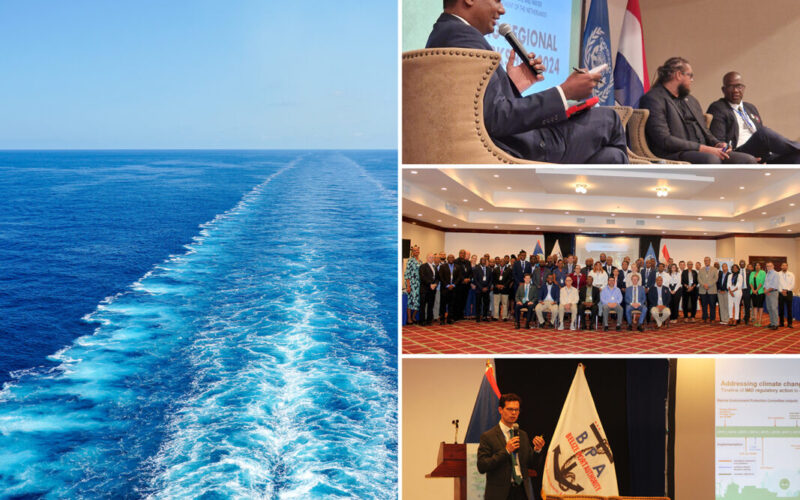
The conference took place on 10-11 July, and reportedly gathered over 80
maritime stakeholders from 18 Caribbean nations and territories to execute the
2023 IMO Strategy on Reducing GHG Emissions from Ships.
Participants explored the difficulties and possibilities for Caribbean
Small Island Developing States (SIDS) and Least Developed Countries (LDCs) to
decarbonise the marine transport sector, the effects of climate change on the
maritime sector, and viable mitigation strategies.
The IMO highlighted the following points from this conference:
How to create and execute regulatory frameworks that encourage GHG
reductions in marine activities.
The impact of IMO GHG reduction regulations on the Caribbean, as well as
the region’s particular marine sector demands.
Alternative fuels and energy-efficient technology.
National Action Plans (NAPs) adapted to the Caribbean area.
The importance of IMO’s maritime training institutes, the World Maritime
University (WMU) and the IMO International Maritime Law Institute (IMLI), as
well as other educational institutions.
Regional collaboration across the marine, port, climate, and environmental
sectors to strengthen resilient port infrastructure, increase port efficiency,
and promote additional economic prospects.
The event closed with an exchange of ideas on how Caribbean SIDS may help
with the energy transition in international shipping.
The discussions focused on creating an enabling environment for the
production and bunkering of zero or near-zero GHG emission fuels, incorporating
IMO standards into national law, and closing technological and infrastructure
gaps.
Recently, IMO sponsored a national training session in Mombasa, Kenya to
educate authorities on maritime security control and compliance with SOLAS rule
XI-2.