
Russian warning strikes trigger Black Sea congestion
Neighboring ports in the Black Sea are grappling with backlogs as a
Russian warship fired warning shots at a cargo vessel, congesting shipping
lanes.
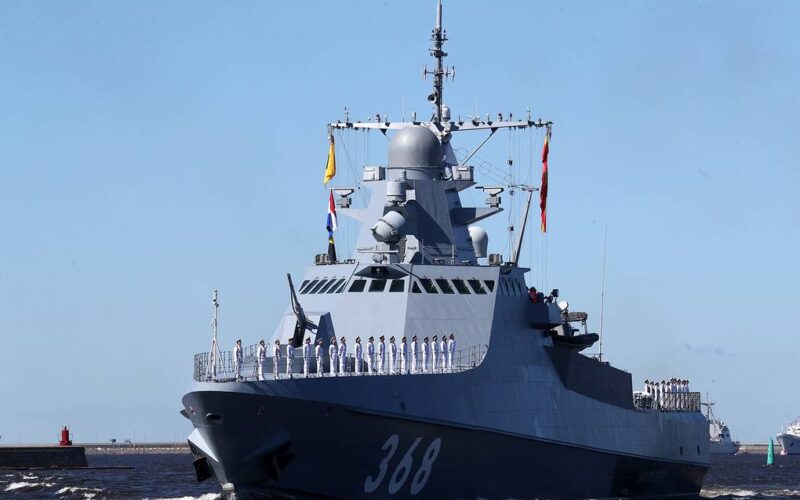
Reuters reported that Russian Vasily Bykov patrol ship fired on the
Palau-flagged Sukru Okan vessel on 13 August, after the ship’s captain failed to
respond to a call for inspection by Russian authorities. The ship then followed
its route to Ukraine’s Port of Izmail, along the Danube River, following
inspection.
Kyiv has since called upon the international community to take up decisive
countermeasures to what they have charged as provocation from Russia’s
authorities on 14 August.
On 14 August, Kyiv denounced what it termed as “provocative” actions by
Russia and urged the international community to take resolute
countermeasures.
Charged as a gross violation of international law, Kyiv stated that the act
had “exemplified Russia’s deliberate policy of endangering the freedom of
navigation and safety of commercial shipping in the Black Sea,” said the
Ministry of Foreign Affairs of Ukraine.
“We call on the international community to take decisive action to prevent
Russian Federation’s actions that impede the peaceful passage of vessels through
the Black Sea.”
Amid increasing concerns festering among insurers and shipping companies
about the security of their transported cargo, ports grappled with the task of
resolving backlogs, reported Reuters.
Around Musura Bay in the Black Sea, which connects to a channel leading to
Izmail further down the waterway, a minimum of 30 ships had come to anchor.
Reuters also conveyed that there were no less than 20 ships anchored leading up
to Izmail.
Moreover, at least 35 commercial vessels were waiting close to the Romanian
Port of Constanta, marking an increase of 15 ships from the week prior.
As per sources within the insurance sector, the rates for supplementary war
risk premiums remained unchanged on Monday. However, there was a potential for
an increase if a vessel were to be harmed or sunk.
Reuters added that according to insurance industry sources, rates for
additional war risk premiums remained steady on 14 August, however, there was a
potential for an increase if a vessel were to be damaged or sunk.
The expense associated with a war risk premium for the Black Sea, typically
renewed every seven days and added to the annual insurance costs, was
approximated to be tens of thousands of dollars per ship for the duration of the
voyage.