
Baltic ports push green corridor development
Stakeholders from ports, industry and policy bodies across the Baltic Sea
Region met in Hamburg on 23 April 2026 to discuss decarbonisation and the
development of green corridors in maritime transport.
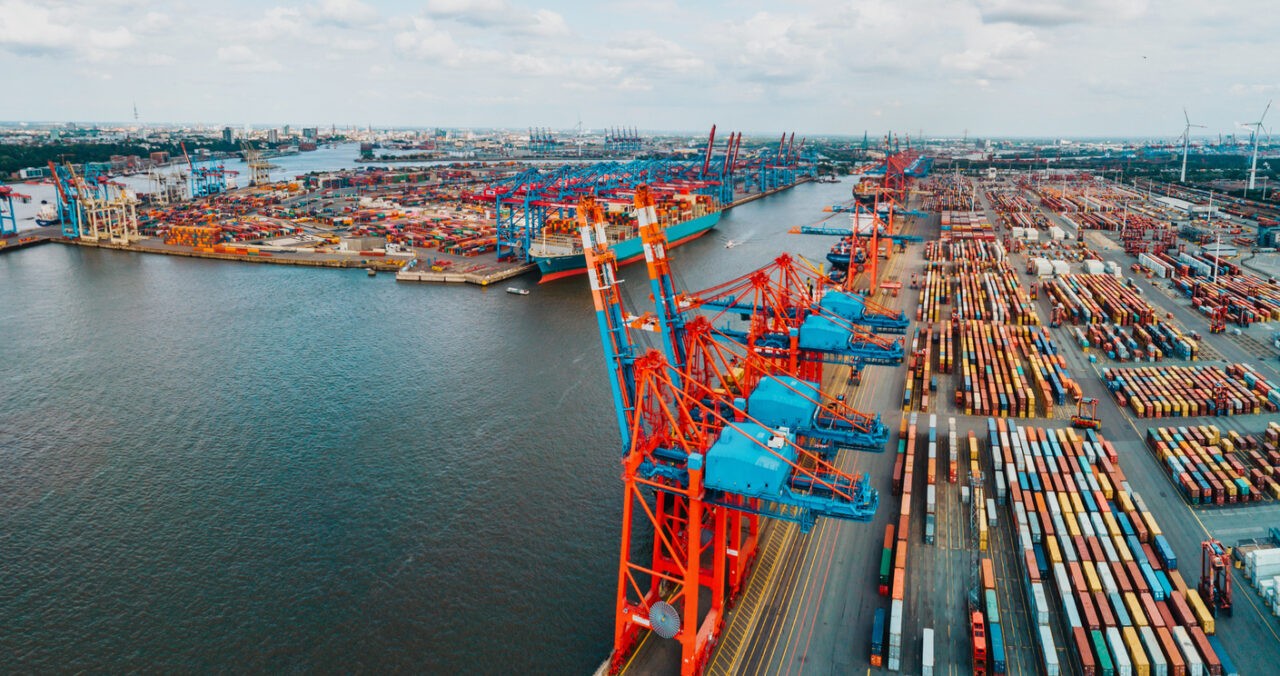
The workshop, titled “From Ports to Green Corridors: Energy Transition and
Decarbonisation in Transport”, was held at HHLA Container Terminal
Tollerort.
It was organised by the Free and Hanseatic City of Hamburg – Senate
Chancellery – Baltic Sea Strategy Point, in cooperation with Port of Hamburg
Marketing, with support from Hamburg Port and Logistics AG (HHLA).
Discussions focused on regulatory stability as a prerequisite for long-term
investment in low-emission port infrastructure.
Participants also pointed to the need for closer regional coordination to
scale solutions and align decarbonisation efforts across the Baltic.
Sessions addressed ongoing measures at the Port of Hamburg, including shore
power deployment, alternative fuel infrastructure and the development of green
shipping corridors.
Market readiness for fuels such as methanol, ammonia and hydrogen was also
examined.
Hinterland connectivity was identified as a key factor in reducing
emissions across supply chains, with rail integration and intermodal efficiency
highlighted.
Digital coordination and cross-sector collaboration were also cited as
areas with potential to improve operational performance.
A structured dialogue with coordinators from the EU Strategy for the Baltic
Sea Region examined governance challenges and project development
frameworks.
Participants discussed how regional initiatives could be better aligned
with EU-level policymaking and funding mechanisms.
In April, the Maritime and Port Authority of Singapore signed a Memorandum
of Understanding with the Hamburg Port Authority and leading academic
institutions from Singapore and Germany to strengthen cooperation on maritime
cybersecurity across port operations and digital systems.