
Port of Aberdeen invests £55 million towards net zero
The Port of Aberdeen has announced its commitment to invest £55
million ($69 million) over the next 10 years to become the UK’s first net zero
port by 2040.
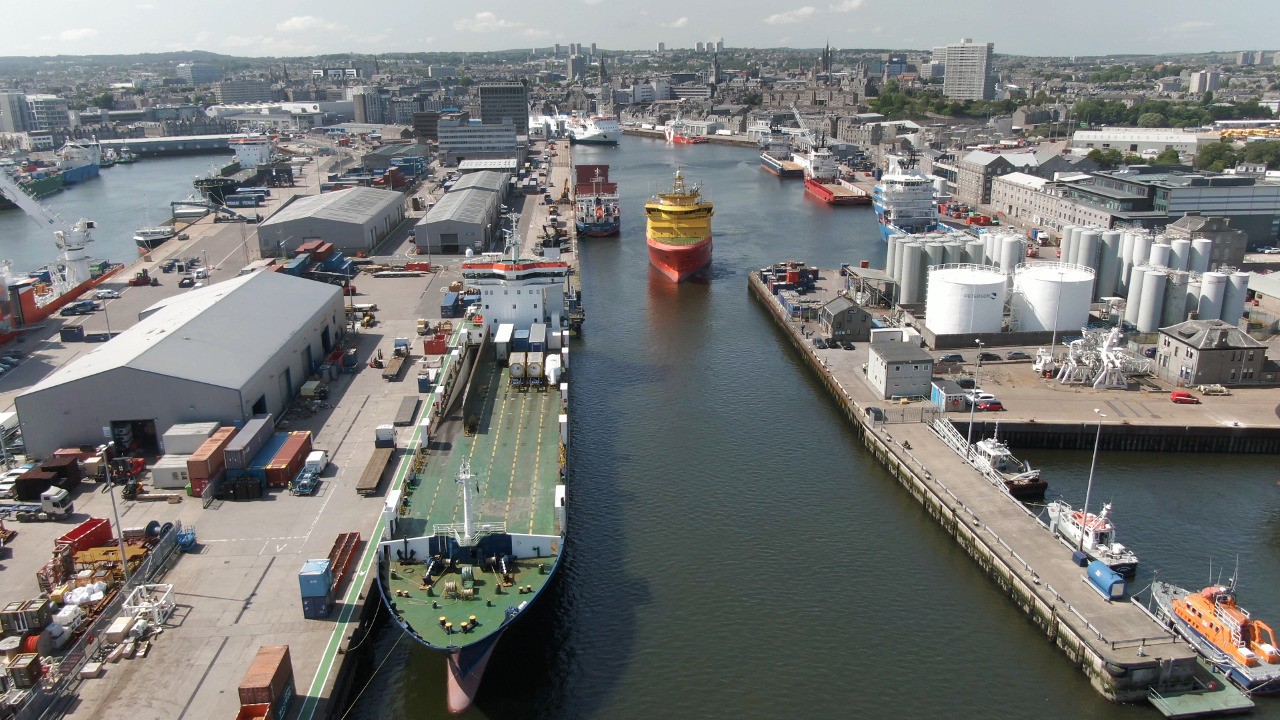
This ambitious target is at the core of the Port of Aberdeen’s net zero
strategy which focuses on collaborating with stakeholders across the private and
public sectors to reduce emissions in the port, facilitate future low carbon
fuels, and support the energy transition.
According to the port, the introduction of shore power at scale – starting
with first power at three berths in 2024 – and low carbon alternative fuels for
client vessels are expected to generate significant reductions in emissions in
the years to come.
The port has already taken action to reduce the environmental impact of its
operations, starting with the roll-out of electric vehicles and installation of
LED lighting on the quaysides.
A wide range of projects are now underway or planned, such as the trial of
hydrotreated vegetable oil for port-owned vessels and equipment and exploring
the feasibility of onsite energy generation for the port estate.
The Port of Aberdeen has already invested more than £500 million ($626
million) in infrastructure in recent years.
These investments cover the transformational South Harbour expansion, which
will unlock growth opportunities in the energy transition, including offshore
wind, hydrogen, and decommissioning according to the port.
“Today we launched our net zero strategy with the aim of becoming the UK’s
first net zero port by 2040,” said Bob Sanguinetti, Chief Executive, Port of
Aberdeen.
“Strong partnerships and investment across the public and private sectors
are essential to deliver this transformational change which will deliver
significant benefits for the environment, local communities, and wider maritime
sector.
“Port of Aberdeen can play a pivotal role in the emergence of green
economic growth in the wider maritime industry and support new, high-quality
jobs,” Sanguinetti added.
This investment comes several months after the UK government kicked off a
multi-million-pound Zero Emission Vessels and Infrastructure (ZEVI) competition
to help decarbonise the country’s maritime sector.