
Barcelona launches €1.7B plan to decarbonise port operations
The Port of Barcelona has approved its Energy Transition Plan, derived from the Fourth Strategic Plan, establishing the port’s energy policy through 2040 with the goal of reducing GHG emissions by 85 per cent compared to 2017 and achieving emissions neutrality by 2050.
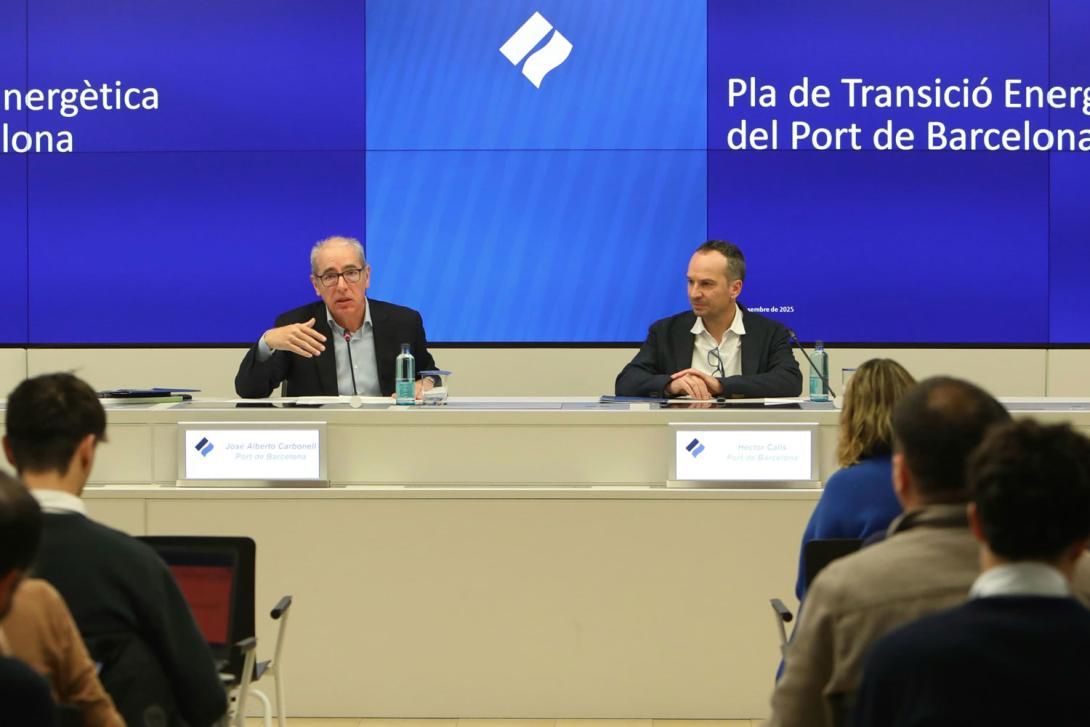
The plan outlines measures to decarbonize port operations, secure sustainable energy, and position the port as a hub for energy-related activities.
Its immediate target is to halve emissions by 2030, cutting the equivalent of 1 million tonnes of CO2—the annual output of 240,000 cars.
The Energy Transition Plan includes an Action Plan of over 150 measures across four areas: decarbonising port activity; sustainable energy consumption; energy supply resilience; and innovation for new business models and emerging technologies.
By 2030, the port aims to electrify 50 per cent of port operations and connect 65 per cent of container calls to OPS systems, increasing to 90 per cent by 2050.
Local energy production is a priority, with plans for 100 MWp of photovoltaic energy and 100,000 tonnes of sustainable fuels per year, including biomethane and synthetic fuels, supporting maritime green corridors and attracting efficient vessels.
Hydrogen development, CO2 capture systems, and circular economy technologies are also included.
The plan is supported by the wider Barcelona Port Community, with total infrastructure investments projected at €920 million ($1.07 billion) in private funds and €780 million ($908 million) in public funds.
Indicators will be published annually to track progress, with periodic reviews to adjust strategies as technologies and regulations evolve.
Port President, José Alberto Carbonell, said: “The plan marks port planning for the coming years and will transform our energy model, generating new business areas.”
Morever, the Environmental Sustainability Director, Hector Calls, added: “This positions the port as a benchmark in sustainability, energy innovation and a model of resilience on a Mediterranean and European scale.”
Recently, the Territorial Commission of Catalonia approved the Intermodal Logistics Terminal of the Port of Barcelona Urban Master Plan (PDU), a document that organises the development of the railway infrastructure in the south area of the port.