
Building resilient ports: tackling climate and tech challenges
How do you see the role of ports evolving in the face of escalating climate risks, and can infrastructure resilience truly keep pace with the accelerating impacts of climate change?
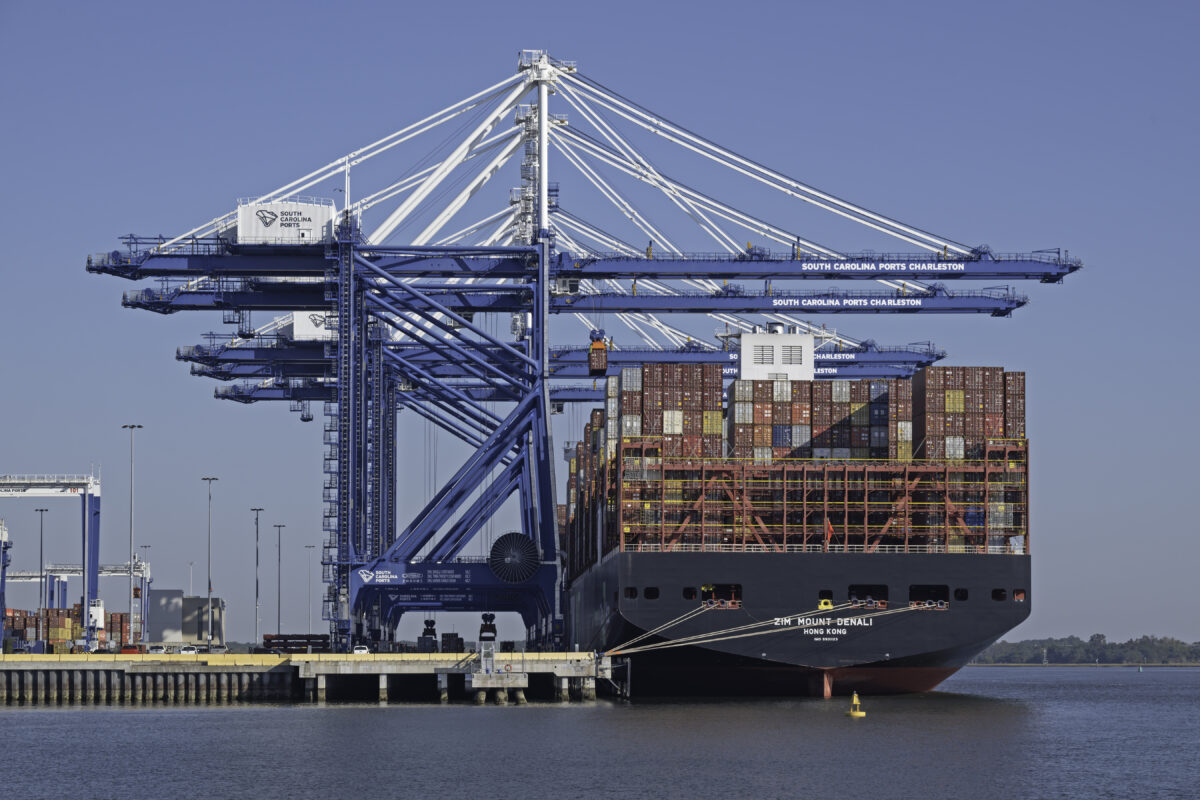
Rising global temperatures are injecting more energy into the climate system, intensifying storms and increasing the frequency and severity of extreme weather events such as storm surges, sea-level rise, and flooding. These escalating climate risks pose significant challenges to ports, which are critical to both local and global trade networks. Infrastructure can keep pace — but only if we take action. As crucial financial generators for many countries, ports must evolve to withstand climate impacts so trade disruptions can be prevented and supply chains safeguarded.
To meet these challenges, ports must implement adaptive infrastructure, such as increasing the height of sea walls to combat rising sea levels, and operational measures to enhance resilience under changing climate conditions.
It is important to remember, however, that adaptation cannot be treated as a ‘one-and-done’ intervention; climate risks are ever-changing and, therefore, ports must continuously monitor resilience measures. As part of this monitoring, they should regularly revisit and update climate risk assessments to reflect new data, projections, and observed impacts. Infrastructure upgrades should evolve accordingly to remain effective over time.
That’s where Resilience4Ports (R4P) comes in. As a global, multi-stakeholder initiative, our goal is to strengthen and accelerate the resilience of ports and the communities that depend on them. As ports face growing pressures from climate change and technological advances (decarbonisation and digitalisation), R4P provides a structured, scalable approach to addressing systemic risk and enabling adaptation.
The programme is led by the International Coalition for Sustainable Infrastructure (ICSI), with core support from the UN High Level Climate Champions, Arup, and Lloyd’s Register Foundation.
The initiative emphasises that establishing and maintaining resilience is not a static goal but an ongoing, iterative process embedded in decision-making, investment planning, and governance. This is the topic of R4P’s latest publication, launched at COP30, Port Decision Makers’ Guide to Climate Risk Assessment. By applying this adaptive and forward-looking approach, port infrastructure can more realistically keep pace with the accelerating impacts of climate change.
The guide focuses on a holistic approach to climate risk, including digital systems. How important is it to integrate technology in resilience planning, and what challenges does this integration pose?
Technology is fundamental to effective climate resilience planning and should include climate data platforms, digital twins, early-warning systems, asset-monitoring tools, and decision-support systems.
These enable ports to shift from reactive responses to anticipatory, risk-informed decision-making by helping ports better understand the interdependencies between physical infrastructure, operations, energy systems, and information networks, which is essential given the systemic and cascading nature of climate risks.
The integration of digital systems does present several challenges. These include data gaps and uncertainty, interoperability issues with legacy infrastructure, cybersecurity risks, as well as limited technical capacity and funding, particularly in smaller or developing ports.
Beyond technical barriers, there is also a significant organisational and cultural challenge: effectively embedding digital insights into governance structures and long-term investment decisions requires changes in institutional practices and leadership mindsets. The R4P approach helps address this challenge by framing digital tools as enablers of resilience rather than standalone solutions.
Digitalisation, when properly implemented, enhances the efficiency of port operations. Maintaining up-to-date software, robust cybersecurity measures, and redundant backup systems is essential to ensure continuity of critical services during disruptions. Ports with resilient digital infrastructures are more likely to be able to operate even during cyber incidents or system failures, thereby maintaining stakeholder trust.
In addition, ports run efficiently with the assistance of digital tools, which can reduce carbon emissions by lowering the time docked conventional-fuelled vessels must wait to pass through. Such preparedness strengthens confidence among customers and investors alike as it demonstrates effective risk management, implementation of novel technology, and a long-term commitment to resilience.
Given that climate risk assessments won’t stop sea levels from rising, how do you balance the urgent need for adaptation with the broader global imperative to reduce emissions and prevent further damage?
While CRAs cannot prevent sea levels from rising, they are essential for ensuring that adaptation and mitigation efforts are pursued in a balanced and mutually reinforcing way. Adaptation and resilience are too often treated as separate or secondary to the net-zero agenda, though the reality is much the opposite. Resilience must be embedded within ports’ energy transition and decarbonisation strategies, with adaptation placed on an equal footing with mitigation.
Ports play a critical role in global efforts to limit climate change and achieve the Paris Agreement goals. As hubs of critical infrastructure, they are central to enabling the supply, storage, and distribution of alternative fuels.
However, this infrastructure must be designed with resilience in mind, particularly given the new hazards introduced by emerging energy systems. If ratified, the IMO net-zero framework is poised to take on a pivotal role in mobilising finance for adaptation and mitigation, especially for ports in the Global South that currently face significant funding constraints.
At the same time, ports must decarbonise their own operations. Some of the ports supported by R4P have already begun deploying renewable energy sources such as solar and wind, as well as providing shore power to vessels at berth. This allows ships to switch off diesel generators, reducing emissions and improving local air quality.
CRAs help ensure that mitigation investments themselves are climate-resilient, reducing the risk of maladaptation or stranded assets. In this way, adaptation is not in competition with mitigation; rather, it is a prerequisite for credible, durable, and effective long-term emissions reduction.