
Port of Barcelona hosts first bioethanol bunkering operation
Repsol has completed the first bioethanol bunkering operation of its kind at the Port of Barcelona, supplying 2,800 tonnes to the Maersk container vessel Antonia Maersk.
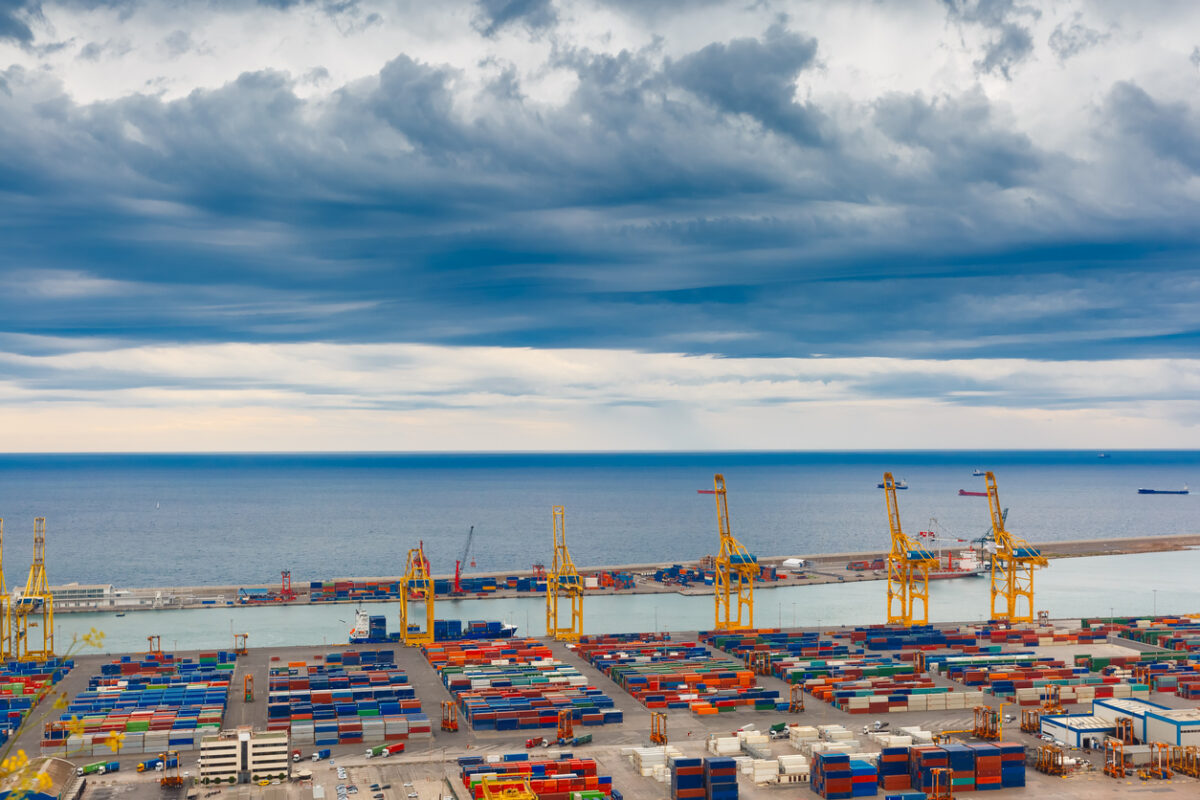
The operation is among the first of its kind in the Mediterranean and forms part of Repsol’s multi-energy strategy, which combines conventional marine fuels, renewable fuels and emerging low-carbon solutions to support customers’ decarbonisation efforts.
Juan Abascal, Executive Managing Director of Industrial Transformation and Circular Economy at Repsol, said: “With this supply, we reaffirm our commitment to the decarbonisation of maritime transport through solutions that are available today and ready to scale in the future. At Repsol, we provide shipping companies with a reliable supply chain and a multi-energy strategy that combines different renewable fuels to support the sector in a safe, competitive, and sustainable transition.”
The bunkering took place under fully commercial conditions, delivered by Bahía Candela, Repsol’s newest bunker vessel, operated by Mureloil and designed to handle both conventional and next-generation marine fuels. The vessel completed the transfer using its battery system, resulting in zero local emissions during the operation.
The operation follows earlier ethanol trials by Maersk on Laura Maersk, the 1,800 TEU feeder vessel that became the world’s first dual-fuel container vessel able to run on methanol in 2023.
As of 15 July, Maersk operates 23 dual-fuel methanol-enabled container vessels, though the company continues to assess ethanol as an alternative fuel across its fleet.
José Alberto Carbonell, President of the Port of Barcelona, said: “This operation demonstrates that the Port of Barcelona is ready to support the deployment of new low-carbon fuels at scale, as part of our Energy Transition Plan. As the Mediterranean’s leading logistics and energy hub, we are committed to providing the infrastructure, operational capabilities and collaborative environment needed to accelerate the maritime sector’s decarbonisation.”